

Product of Canada. Celebrate things done well.

Product of Canada. Celebrate things done well.
There are no accidents in award-winning beer
It starts with the finest ingredients and ends with the bottom of your glass

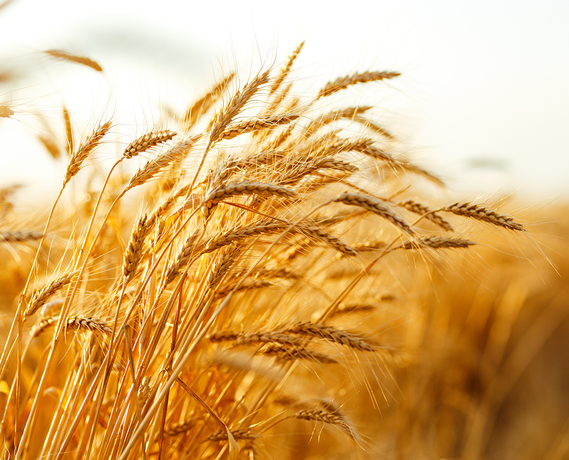
Malt
The basic ingredient in beer is barley malt. Malt is barley grain that has been allowed to germinate and age. The barley grain is then is kiln-dried to halt further germination, giving brewmasters the perfect base for the world’s oldest and most loved alcoholic drink.

Mash and Wort
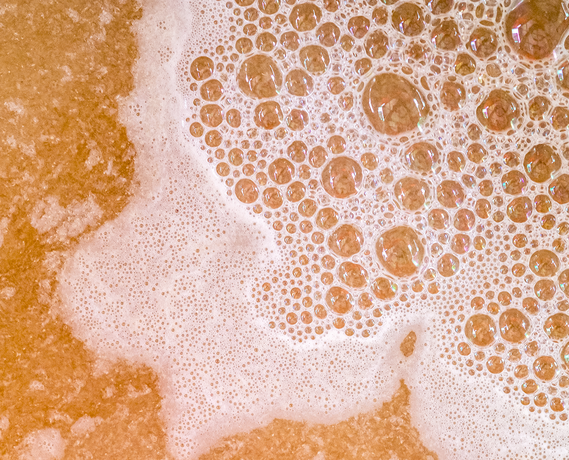
In the mashing process, the malt is blended with brewing water in a “mash mixer” where it is then heated according to a brand-specific, time-temperature program. During this process, malt starches are converted into fermentable and non-fermentable sugars by natural enzymes.
Mash is transferred to a lautering (our fancy way of saying straining in the brewing world) vessel. Hot water is flushed over the mash separating the sugars from the grains. A sweet liquid called “wort” drains through and runs off into the brew kettle.

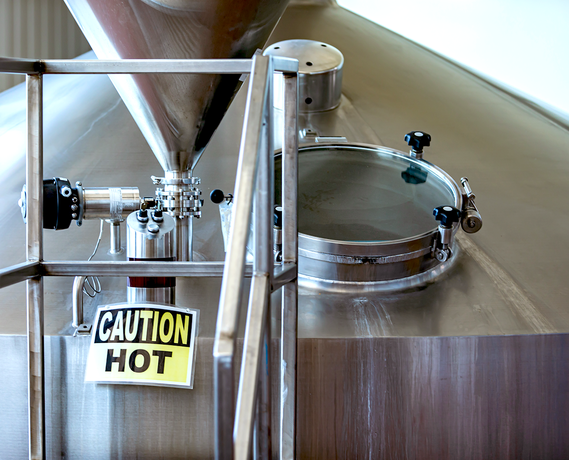
Boiling and Hopping

THE BEER

Taste Testing
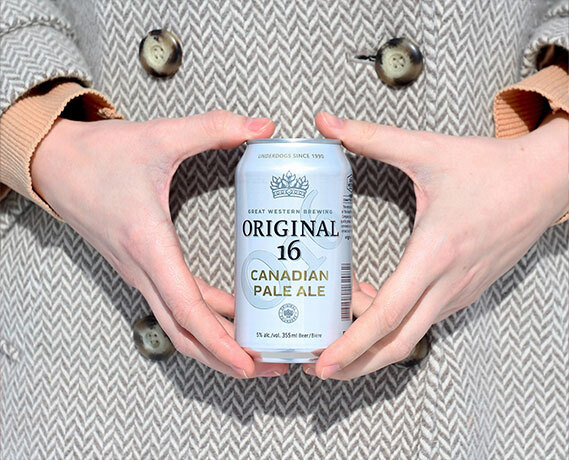
This is where the most popular job at the brewery steps in. The beer is taste-tested by specially trained testers and examined by quality control personnel in our laboratories. This is done at every stage of production to ensure that the beer meets the high quality standards we’ve set.
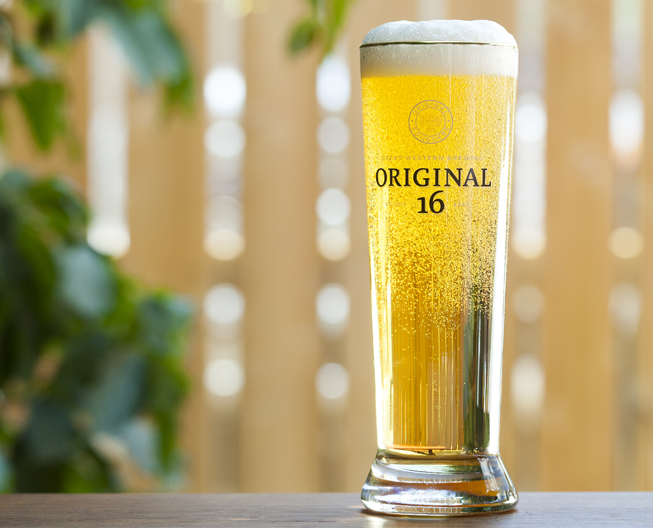
Enjoy a smooth, refreshing beer, with great taste.
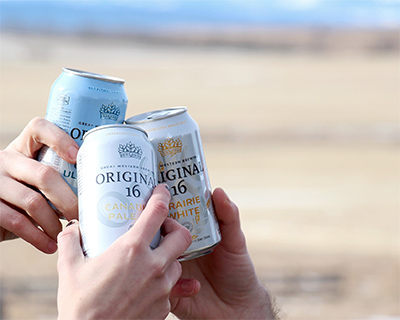
Original 16 beers can be found all across Western Canada, and if you’re lucky, your cooler or fridge.

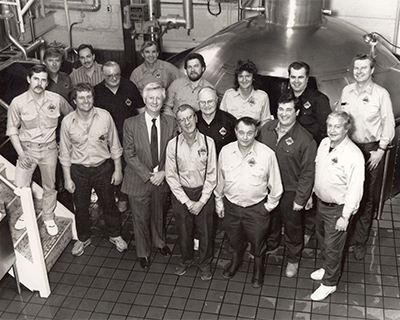
Celebrating the spirit of our founders
E-Newsletter
Be the first to know about promotions,
products and news from the brewery.